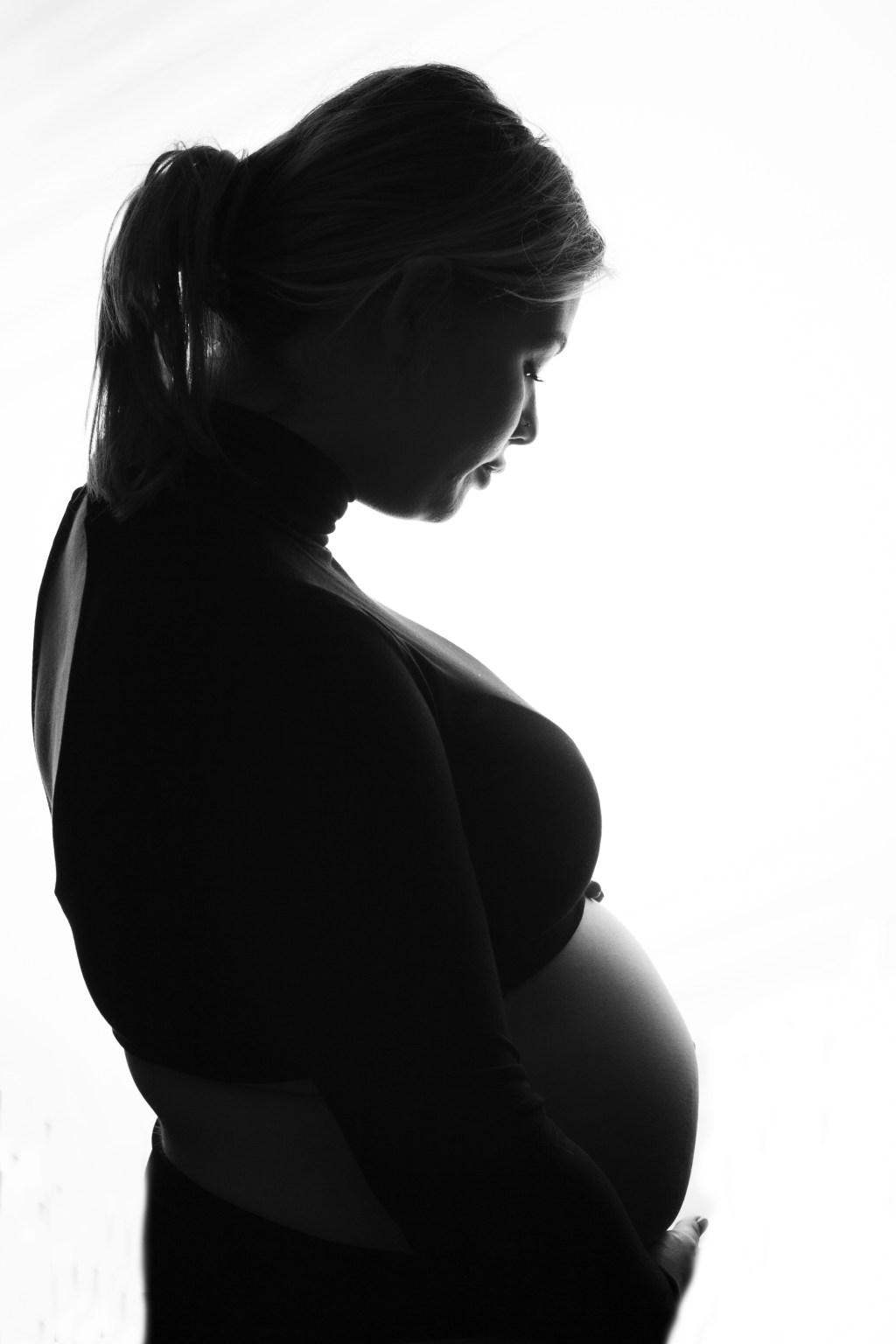
Managing Pregnancy Symptoms: Tips for Coping with Morning Sickness, Fatigue, and More

Pregnancy is an incredible journey filled with excitement and anticipation. However, it also comes with a variety of pregnancy symptoms that can range from mildly uncomfortable to quite challenging. Understanding how to manage these pregnancy symptoms can help you enjoy this special time more comfortably. In this guide, we’ll explore practical tips for coping with common pregnancy symptoms, including morning sickness, fatigue, and more.
1. Morning Sickness
Morning sickness, characterised by nausea and vomiting, is one of the most common pregnancy symptoms. While it typically occurs in the morning, it can strike at any time of the day.
Stay Hydrated
- Drinking plenty of water can help reduce nausea. Sip on water throughout the day, and consider drinking ginger tea, which is known for its soothing properties.
Eat Small, Frequent Meals
- Eating small, frequent meals instead of three large ones can help keep your stomach settled. Opt for bland, easy-to-digest foods like crackers, toast, and bananas.
Avoid Triggers
- Identify and avoid foods and smells that trigger your nausea. Fatty, spicy, and overly sweet foods are common culprits.
Get Plenty of Rest
- Fatigue can worsen nausea. Ensure you’re getting enough sleep and rest when needed. A well-rested body can better manage pregnancy symptoms like morning sickness.
2. Fatigue
Fatigue is another common pregnancy symptom, particularly in the first and third trimesters. Your body is working hard to support your growing baby, so it’s natural to feel more tired than usual.
Prioritise Sleep
- Aim for 7-9 hours of sleep per night. Create a relaxing bedtime routine to help you wind down and fall asleep more easily.
Take Naps
- If you’re feeling exhausted during the day, don’t hesitate to take short naps. Even 20-30 minutes can make a significant difference.
Stay Active
- Gentle exercise, such as walking or prenatal yoga, can boost your energy levels and improve your overall mood. Always consult your healthcare provider before starting a new exercise routine.
Stay Hydrated and Eat Well
- Drinking plenty of water and eating a balanced diet rich in iron and protein can help combat fatigue. Foods like lean meats, leafy greens, and beans are excellent choices.
3. Heartburn and Indigestion
As your pregnancy progresses, you may experience heartburn and indigestion due to hormonal changes and the growing baby pressing against your stomach. These pregnancy symptoms can be quite uncomfortable, but manageable with a few adjustments.
Eat Smaller Meals
- Similar to managing morning sickness, eating smaller, more frequent meals can help prevent heartburn. Avoid large, heavy meals, especially before bedtime.
Avoid Trigger Foods
- Identify and avoid foods that trigger your heartburn. Common triggers include spicy foods, caffeine, chocolate, and citrus fruits.
Stay Upright After Eating
- Try to stay upright for at least an hour after eating to help prevent stomach acid from rising. Elevate the head of your bed if heartburn is a nighttime issue.
Wear Loose Clothing
- Tight clothing can put extra pressure on your stomach, exacerbating heartburn. Opt for loose, comfortable clothing.
4. Back Pain
Back pain is a common complaint during pregnancy, particularly as your belly grows and your centre of gravity shifts. This pregnancy symptom can be alleviated with some practical steps.
Practice Good Posture
- Stand up straight with your shoulders back and avoid slouching. Use a supportive chair when sitting and consider a lumbar support cushion.
Stay Active
- Regular exercise, especially activities that strengthen your back and core muscles, can help alleviate back pain. Prenatal yoga and swimming are excellent options.
Use Proper Lifting Techniques
- When lifting objects, bend at your knees and lift with your legs rather than your back. Avoid lifting heavy objects whenever possible.
Consider a Maternity Support Belt
- A maternity support belt can help take some of the pressure off your lower back and provide additional support.
5. Swollen Feet and Ankles
Swelling in the feet and ankles is common, particularly in the later stages of pregnancy. It’s often due to increased fluid retention and pressure from your growing uterus. Managing this pregnancy symptom involves a few lifestyle adjustments.
Elevate Your Feet
- Whenever possible, elevate your feet to help reduce swelling. Avoid standing or sitting for long periods without moving.
Stay Hydrated
- Drinking plenty of water can help flush out excess fluids and reduce swelling.
Wear Comfortable Shoes
- Opt for comfortable, supportive shoes. Avoid high heels and tight footwear that can exacerbate swelling.
Exercise Regularly
- Gentle exercise, such as walking or swimming, can help improve circulation and reduce swelling.
Conclusion
Managing pregnancy symptoms can make your journey to motherhood more comfortable and enjoyable. By following these practical tips, you can alleviate common discomforts and focus on the joy of expecting your new baby. Remember, every pregnancy is unique, so listen to your body and consult with your healthcare provider if you have any concerns or persistent symptoms.
If you’re interested in learning more about pregnancy health and wellness or have specific questions, feel free to explore our website for additional resources and support. We’re here to help you navigate this exciting time with confidence and ease.

 Site Title
Leave a Reply